Collaboration, Growth, and New Beginning - interview with Sangwoo Park

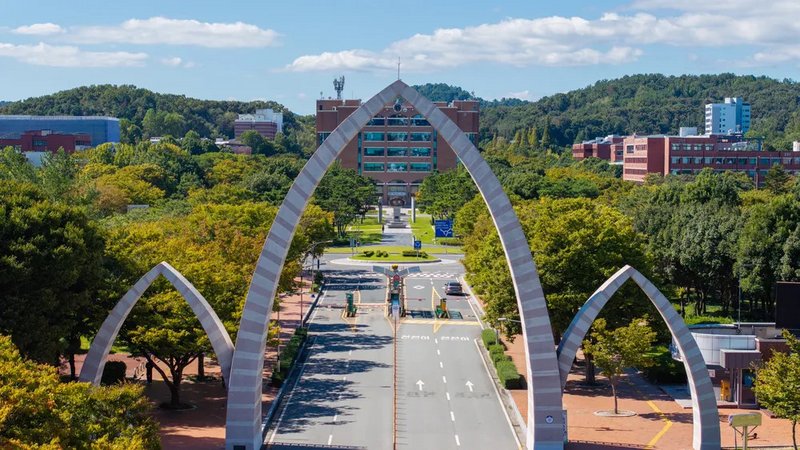
As PIG-PARADIGM’s journey continues, we’re thrilled to see our Early Career Researchers grow and reach new career milestones. Today, we celebrate Sangwoo Park , who has recently embarked on an exciting new chapter as Assistant Professor at Gyeongsang National University in South Korea.
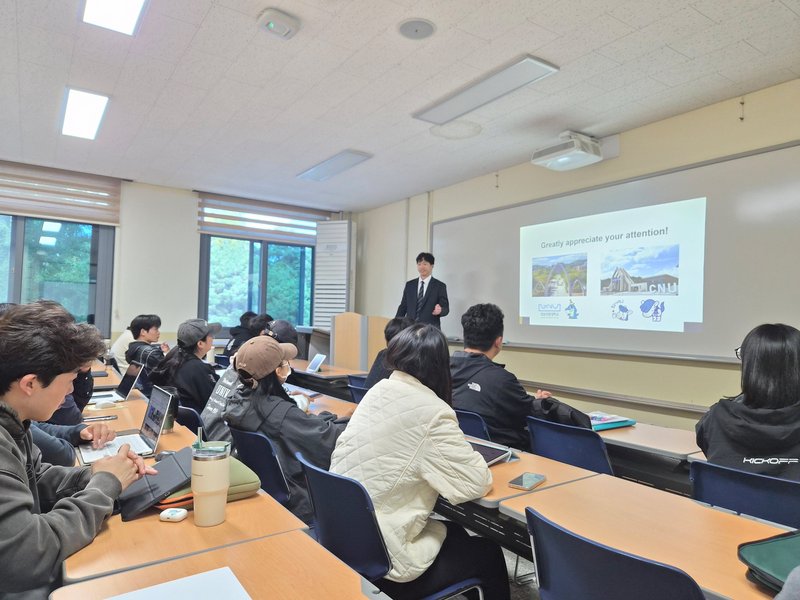
Sangwoo joined the Division of Animal Bioscience and Integrated Biotechnology in September and is already busy teaching and developing his research program. We asked him to reflect on his experience in PIG-PARADIGM and how it shaped his next steps.
Sangwoo’s story reflects the heart of PIG-PARADIGM - building connections, advancing knowledge, and empowering the next generation of researchers to make an impact.
Interview by Shaila Sigsgaard
1. What has been the most valuable learning experience for you during your time in PIG-PARADIGM?
Being part of PIG-PARADIGM gave me unique opportunities to interact with researchers from different countries and diverse fields. Instead of a formal setting where most people share similar backgrounds or ideas, PIG-PARADIGM offered an open and interactive environment, where people from different fields could freely exchange ideas and learn from each other. I gained broader perspectives and built meaningful relationships for future collaboration. Listening to presentations from experts in other fields helped me understand my own field from new viewpoints. Moreover, I recognized how different disciplines can complement each other to achieve the our mission of delivering the fundamental science required to develop solutions that reduce the overall need for antimicrobial treatments and mitigate the spread of antimicrobial resistance (AMR).
2. If you had more time in PIG-PARADIGM, is there any area of your research or collaboration you would have liked to explore further?
I would have liked to integrate microbiome and metabolomics data using big data approaches. This would allow us to better understand for the complex interactions among diet, microbiota, and host that are closely related to the gut health and disease of pigs. Strengthening this integration could help us identify biomarkers and mechanisms to support targeted nutritional strategies for reducing reliance on antibiotics.
3. From a scientific perspective, which part of your research do you see as a key steppingstone for future research?
We have established a validated ETEC challenge model that integrates performance, diarrhea, local and systemic immunity. It will provide a powerful foundation for future research. The model can be used to identify biomarkers indicating exposure to enteric disease and to clarify the relationship between the pig and metabolite profiles related to intestinal health. Moreover, incorporating nutritional aspects into the model will clarify the underlying mechanisms of interaction among the host, metabolites, and nutrients.
4. Which aspect of your research do you believe holds the most promise for real-world impact - for example, improving practices for farmers or veterinarians, or reducing antimicrobial use in pig production?
Our research shows that the potential of promising nutritional strategies; short chain fatty acid derivatives can support gut health and modulate immunity during the vulnerable weaning period. This supports a smoother transition during the vulnerable weaning period, improving disease resistance and growth in the pigs. In this context, it could help manage post-weaning diarrhea more efficiently as well as reduce reliance on antibiotics. Ultimately, it could contribute to mitigating the spread of AMR and improve animal health and welfare.
5. What do you feel you gained from being part of a large, interdisciplinary, and cross-institutional project like PIG-PARADIGM?
Participating in this large, interdisciplinary, and cross-institutional project gave me a multifaceted understanding that goes beyond my own discipline. Communicating with researchers from diverse scientific and cultural backgrounds allowed me to bridge perspectives and collaborate toward a shared goal. Moreover, interacting with experts from various fields has given me the opportunity to explore future collaborations that can integrate complementary expertise to address the complex challenge.
6. What are your next steps, and how do you hope to apply what you’ve learned from PIG-PARADIGM?
Through PIG-PARADIGM, I gained valuable connections and insights regarding the importance and value of each interdisciplinary collaboration, such as nutrition, host, microbiome, and data integration. Based on this, I plan to conduct interdisciplinary research that integrates nutrition with metabolomics and microbiome analysis, aiming to elucidate the importance of early nutritional intervention and gain insights into the underlying mechanisms that can improve gut health. Moreover, I will continue to maintain and develop cross-institutional collaborations to explore practical strategies for sustainable livestock production. Ultimately, my goal is to contribute to the development of practical practices that enhance animal health while reducing reliance on antibiotics.