Growing with PIG-PARADIGM: A conversation with Shya Navazesh
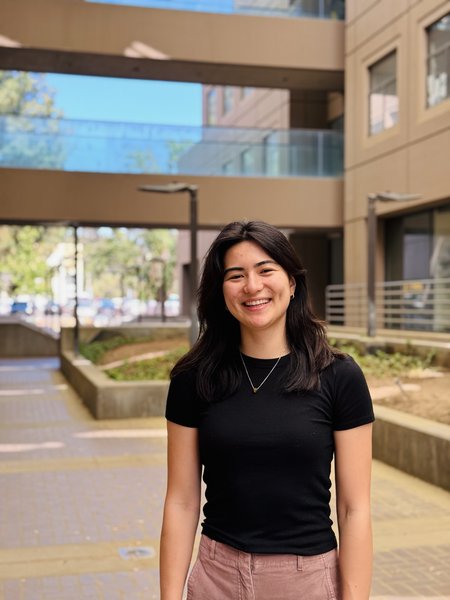
Interview by Shaila Ann Sigsgaard
What has been the most valuable learning experience for you during your time in PIG-PARADIGM?
PIG-PARADIGM gave me exposure to a variety of different approaches used to address the same research question. It was also amazing to learn from experts in the field. The collaborations fostered through PP has taught me how to perform metagenomics. My lab doesn’t have a background in bioinformatics so it has been a wonderful opportunity to learn data analysis from others during our annual conferences.
If you had more time in PIG-PARADIGM, is there any area of your research or collaboration you would have liked to explore further?
I would have loved to spend more time learning from the data pillar. While collaboration is a key part of the project, it has been great to get guidance from experts who teach how you how to perform and interpret the data rather than having them do it for you.
From a scientific perspective, which part of your research do you see as a key steppingstone for future research?
The work highlights the importance of not only understanding who is there, but how they are responding. For example, by figuring out how zinc oxide modulates the functional profiles of gut bacteria, we may be able to find exact mechanisms to target. Additionally, the work suggests that reducing iron availability in the gut may have more of an impact on enterobacteriaceae during the early post-weaning period. We won’t truly know what that means unless there is pathogen exposure, but it is interesting to think about.
Which aspect of your research do you believe holds the most promise for real-world impact - for example, improving practices for farmers or veterinarians, or reducing antimicrobial use in pig production?
It is important for us to identify what the impacts of zinc oxide and copper sulfate are on the gut microbiome and resistome because they are still being utilized as alternative growth promoters in the United States. Given that there are bans for zinc oxide in the EU, it is important to find alternatives to those compounds as well. Additionally, having a better understanding of iron status in these piglets can help us maximize production and understand how the pathogen behaves. This type of research may also be relevant to children living in areas with high burden of disease and receive iron supplementation.
What do you feel you gained from being part of a large, interdisciplinary, and cross-institutional project like PIG-PARADIGM?
PIG-PARADIGM has allowed be to make valuable connections to others in my field. Now, when I conduct literature reviews, I often recognize names and it gives me confidence in their work considering I have met them and have seen their standard for research. It has also been valuable for its exposure. Not only did I learn what research is like in other places, but the type of questions that other fields are interested in. This has helped shape my perspective on varying techniques used in my own research and has challenged me to be a better researcher.
What are your next steps, and how do you hope to apply what you’ve learned from PIG-PARADIGM?
Through this project I as able to learn more about my own research interests and have gained skills in data analysis. Moving forward, I am interested in finding a post-doctoral position that allows me to gain more experience with bioinformatics and antimicrobial resistance. I hope that my understanding of the gut microbiome can be applied to other One Health problems and can be used to better the agricultural industry. Also, I would love to maintain contact with others that I have met in the project as it can one day allow for collaborations.