Gut feeling: reimagining pig health with microbes, diet, and science
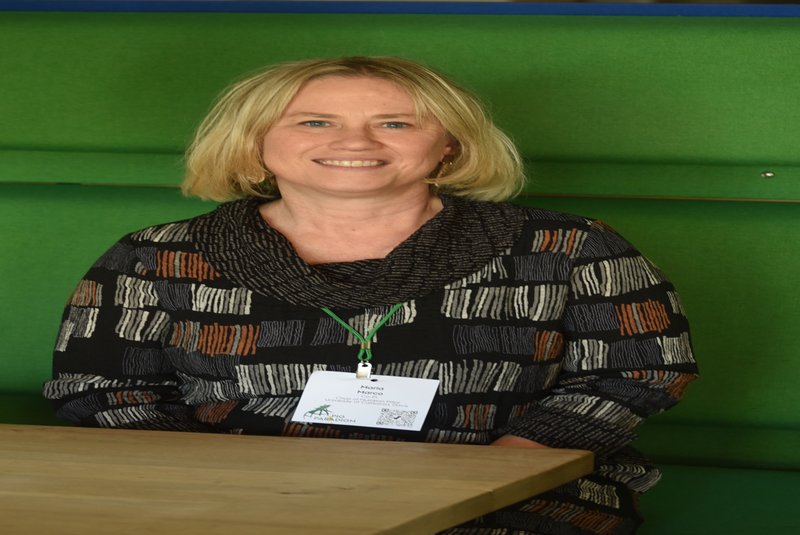
An interview with Professor Maria Marco, University of California, Davis
By Shaila Ann Sigsgaard
During the PIG-PARADIGM 2025 Annual Meeting at Konventum in Elsinore, Zealand, we spoke with Maria Marco who shared her perspectives on microbes, diet and science.
In a world where antibiotic resistance and climate challenges cast long shadows over agriculture, researchers like Professor Maria Marco are lighting a new path—starting in the gut. Based in the Department of Food Science and Technology at UC Davis, Dr. Marco has long been fascinated by the microbial ecosystems that help define health—not just in humans, but in pigs too.
“We have microbes, as do pigs,” she explains. “And the food we feed them has the power to fine-tune these communities to improve their health and well-being throughout their lifespan.”
Prebiotics vs. Probiotics: What’s the Difference?
Dr. Marco breaks down a commonly misunderstood distinction. “A prebiotic is like a snack for the microbes—typically a sugar or polysaccharide that feeds beneficial bacteria already in the gut,” she explains. “A probiotic, on the other hand, is a live microorganism we feed directly to the animal, which then helps to modulate gut health from within.”
Her lab focuses on isolating naturally occurring microbes from pig intestines, specifically those that interact with the immune system and maintain the gut barrier. The goal? To determine if introducing just one powerful microbial strain can positively influence immunity and overall gut function in piglets.
“It’s about understanding what’s happening under the hood,” she says. “Can we fine-tune the system with a small change and make a big impact?”
Antibiotic resistance is at the very heart of the PIG-PARADIGM project’s mission, and Dr. Marco sees her research as part of a larger mission. As global food production strains under the pressures of climate change and dwindling antibiotic efficacy, livestock health must evolve.
“Pigs are central to our diets globally,” she notes. “Supporting their health through diet can reduce antibiotic use and the environmental impact of raising them.”
Surprisingly, the parallels between human infants and piglets are striking. “Both undergo a vulnerable transition from breast milk to solid food. If we better support piglets during weaning, we can reduce stress, mitigate health issues like diarrhea, and limit the need for antibiotics.”
Marco is quick to acknowledge the real-world implications for farmers. “We understand the need for cost-effective solutions,” she says. “Our goal isn’t to create expensive feeds, but to identify tweaks—perhaps a probiotic addition or small dietary shift—that yield big results without raising feed costs.”
The bigger picture: Antibiotic resistance and future generations
As the World Health Organization warns that AMR could become one of the leading causes of death globally within decades, initiatives like PIG-PARADIGM are paving the way for sustainable, science-based solutions.
For Dr. Marco, this isn’t just about pigs. “We’re part of a global community working to preserve antibiotics for future generations. We don’t want to return to a time when infectious disease was the leading cause of death.”
She emphasizes the importance of collaboration—especially with colleagues in Denmark and the Netherlands—in creating multidisciplinary momentum.
“Research doesn’t happen overnight,” she reflects. “But when we put our results together, like in PIG-PARADIGM , the magic happens—and that’s what propels us to the next breakthrough.”