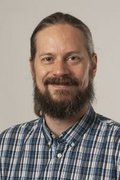
Assistant professor, Department of Molecular Biology and Genetics, Section for Neurobiology
Gilles Vanwelleghem's research group works on understanding how dysregulation of the bidirectional communication between the gut microbiome and the nervous system can affect behaviour and lead to mental health disorders.

Professor, Department of Biology, Section for Zoophysiology
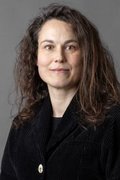
Associate professor, Department of Biomedicine, The Danish Research Institute of Translational Neuroscience (DANDRITE)
My research evolves around deciphering neural circuits and immune-to-brain signaling mechanisms regulating affective state
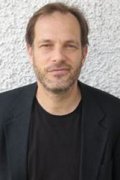
Professor, School of Culture and Society, Department of Philosophy and History of Ideas
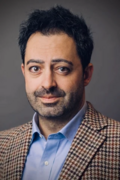
Associate professor, Department of Psychology and Behavioural Sciences
We are working at the intersection of sleep, circadian rhythms, and brain–body health, spanning both translational and clinical research. As the Head of the Sleep and Circadian Psychology Research Unit (SCaPE; https://psy.au.dk/en/circadianpsychology), I help drive research and collaboration on sleep and circadian science. More broadly, my work explores how biological timing influences cognition, mood, and everyday functioning, and how sleep- and circadian-informed interventions can improve mental and somatic health as well as functional outcomes in both clinical and healthy populations.

Assistant professor, Department of Animal and Veterinary Sciences
Associate Professor, Department of Molecular Biology and Genetics, The Danish Research Institute of Translational Neuroscience (DANDRITE)
Associate professor, Department of Biology, Section for Zoophysiology
Clinical professor, Department of Clinical Medicine
Associate professor, Department of Mathematics
Christian Pascal Hirsch works on mathematical and data-driven methods for understanding the structure of complex, interacting systems. His research focuses on topological data analysis, higher-order network models, and spatially embedded representations that move beyond pairwise, flat descriptions. He is interested in how multi-scale organisation, geometry, and higher-order interactions shape collective dynamics across coupled subsystems. Conceptually, his work treats data as a geometric object whose shape, connectivity, and spatial constraints encode system-level behaviour. These tools aim to provide a unified language for analysing complex biological and cognitive systems across scales.
Professor, Department of Food Science, Food Quality Perception and Society
Centre Leader, Centre for Innovative Food Research (CiFOOD)
The research group focusses on understanding food quality and perception via a cross-disciplinary synergy of multisensory human food analysis, experimental psychology, physiological responses and cognitive neuroscience, in the design and development of high quality, better-tasting, more stimulating, more memorable, and healthier food and drink experiences. We work in all product categories across the food chain, from primary production to food processing and on to eating and retailing scenarios with the consumer, including fundamental perspectives on the human senses to understanding eating applicability in food quality.
The research group is also part of Centre for Innovative Food Research (CiFOOD), which is an interdisciplinary center at Aarhus University that embraces different disciplines supporting sustainable healthy food consumption. The centre carries out research activities, events, talent development, and disseminative activities within fields building up to and supporting the latter end of the supply chain; from research on sustainability and health aspects of food to consumer behavior and consumption.
Professor, Department of Molecular Biology and Genetics, Section for Neurobiology

Assistant professor, Department of Animal and Veterinary Sciences

Associate professor, Department of Biomedicine
Felicity Mae Davis studies how cells in the mammary gland make and eject milk. Her research team uses quantitative volumetric imaging to observe signal-response relationships in mammary tissue in real time. They seek to understand the biological basis of breastfeeding and the benefits that breastmilk provides to a developing neonate’s brain and body.

Professor, Department of Food Sciences
In our group we conduct research in biologically active components from food (plants, dairy or meat). We use model systems of e.g. primary muscle cells to study effects on glucose metabolism and oxidative responses as well as intestinal and hepatic cell lines to investigate mechanisms related to specific food components, their activities and bioavailability. We also apply metabolomics analysis to biological samples (urine, blood, feces) from intervention studies to asses overall metabolic responses and gut microbiota activity.
Associate Professor, School of Communication and Culture, Cognitive Science
In my group's research, we focus on the role of the cerebellum and respiration across cognition and the brain, with a special focus on how the cerebellum in concert with respiration builds precise and accurate sensory expectations that humans can rely on for informed behaviour.
Professor, Department of Clinical Medicine, Center of Functionally Integrative Neuroscience
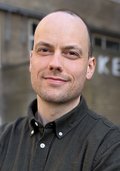
Assistant professor, Department of Chemistry
We combine computational and experimental methods to design, characterize, and apply light- and ligand-controlled protein tools for studying and controlling biological processes. Our goal is to use these chemo- and optogenetic tools for investigating cell signaling dynamics, deciphering disease mechanisms in neuroimmunology, validating drug targets, and creating biomedical solutions.
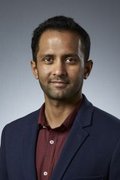
Associate professor, Department of Electrical and Computer Engineering, Section for Signal Processing and Machine learning
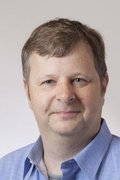
Professor, Department of Molecular Biology and Genetics, Section for RNA Biology and Innovation

Associate professor, Department of Molecular Biology and Genetics, Section for Neurobiology
Our research aims at understanding the process of memory formation and consolidation at the synaptic and circuit levels. We are focusing on how plasticity at the synaptic and circuit levels in the brain relates to behavioral plasticity (learning and memory formation) and how the newly formed memories are integrated into the existing network (cellular and systems consolidation) using rodents as model organism.

Professor, Department of Clinical Medicine, Center of Functionally Integrative Neuroscience
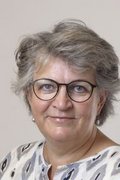
Professor, Department of Molecular Biology and Genetics, Center of Functionally Integrative Neuroscience
