UNESCO Day for Underwater Cultural Heritage
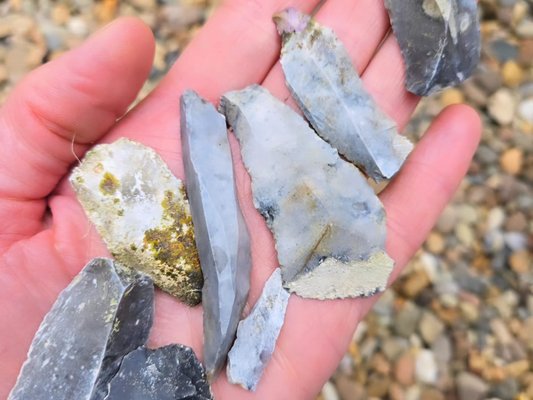
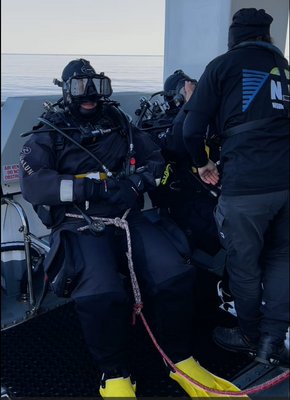
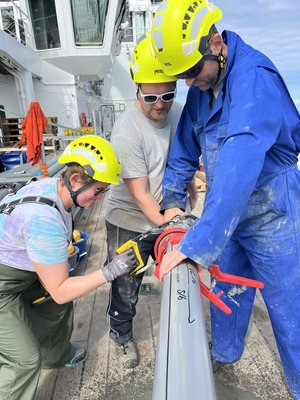
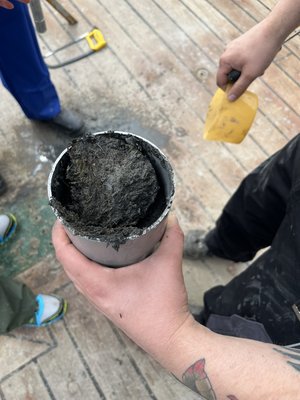
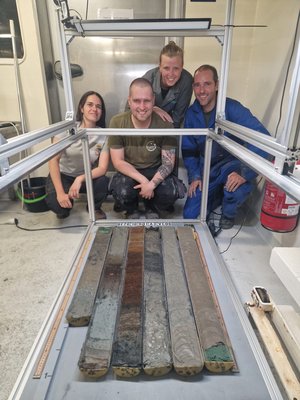
These days, we are celebrating UNESCO Day for Underwater Cultural Heritage on August 21st with research from our SUBNORDICA project. At the moment,one part of our team is investigating Doggerland aboard the research vessel Belgica, while another is conducting underwater archaeological research at early Mesolithic sites in Kalø Bay near Aarhus.
The UNESCO Day for Underwater Cultural Heritage highlights exactly why this work matters. Archaeological remains on the beds of oceans, lakes, and rivers hold important clues about our past, yet only a small fraction of these sites has been discovered and studied. At the same time, underwater cultural heritage is increasingly threatened by construction, commercial activities, tourism, and climate change.
In SUBNORDICA, we are developing new approaches to understand the drowned landscapes of the early Holocene in the North and Baltic Seas and the people who once inhabited them. We are collecting data and developing models to predict where well-preserved archaeological sites may be found, both on and beneath the seabed.
By understanding how Stone Age communities used and moved through these now-submerged landscapes, we can improve our ability to locate, study, and ultimately protect this unique underwater heritage.