Recreational divers on survey for submerged Stone Age settlements
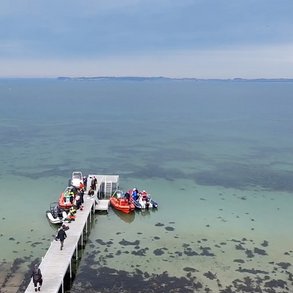
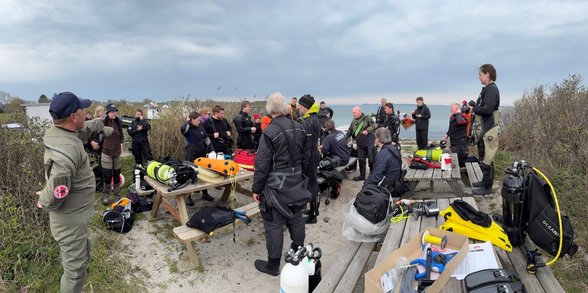
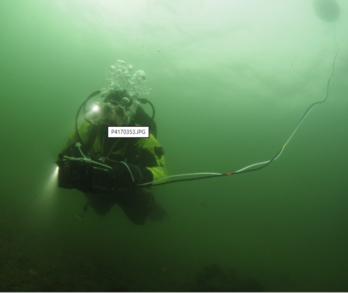
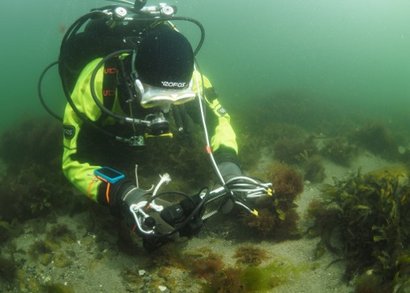
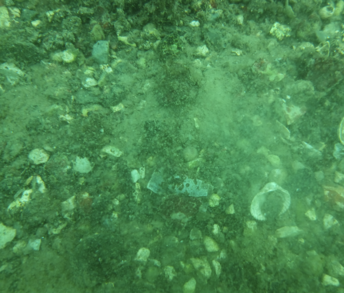
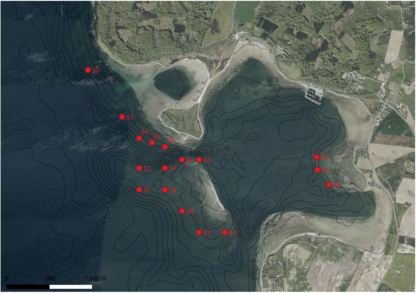
As part of the SUBNORDICA project, 40 recreational divers assisted Moesgaard Museum from April 17-19th 2026 in a systematic survey of the seabed for submerged Stone Age settlements. The survey areas included Begtrup Bay and Kalø Bay near Aarhus in the central part of Denmark. The investigations were arranged in close collaboration between “Dansk Sportsdykker Forbund” and Moesgaard Museum. The primary objective was to identify archaeological traces of Stone Age settlements that were presently situated at water depths of approximately 5–10 meters but which, during the Stone Age, were located in proximity to the contemporaneous shoreline. Due to the significantly lower relative sea level in this period, former coastal settlements are now submerged. Consequently, our knowledge of the earliest exploitation of coastal landscapes and marine resources remains limited.
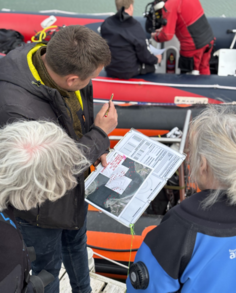
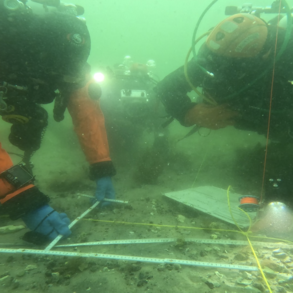
The engagement of recreational divers constituted part of a broader strategy to support SUBNORDICA and Moesgaard Museum in the systematic survey of extensive marine areas, with the objective of assessing both the presence and preservation potential of submerged Mesolithic coastal settlements. From an archaeological perspective, large marine areas remain insufficiently explored, despite the fact that a substantial number of recreational divers are already active within these environments. This presents considerable potential for collaboration, provided that the museum can effectively integrate and utilise observations made by non-professional divers. As part of the training course, participants received instructions in archaeological documentation and in the relevant legal framework, including their rights and obligations, prior to any recovery of material from the seafloor. This was complemented by a detailed introduction to the types of observations considered relevant within the framework of the SUBNORDICA project.
For Moesgaard Museum and SUBNORDICA, enhanced collaboration with recreational divers represents a strategic approach to expanding survey capacity within a field where underwater excavations are resource-intensive and spatial coverage remains limited. The initiative was thus conceived not as a short-term effort focused on individual survey locations, but as a long-term investment in the development of a network of divers contributing to the identification and reporting of submerged Stone Age settlements.