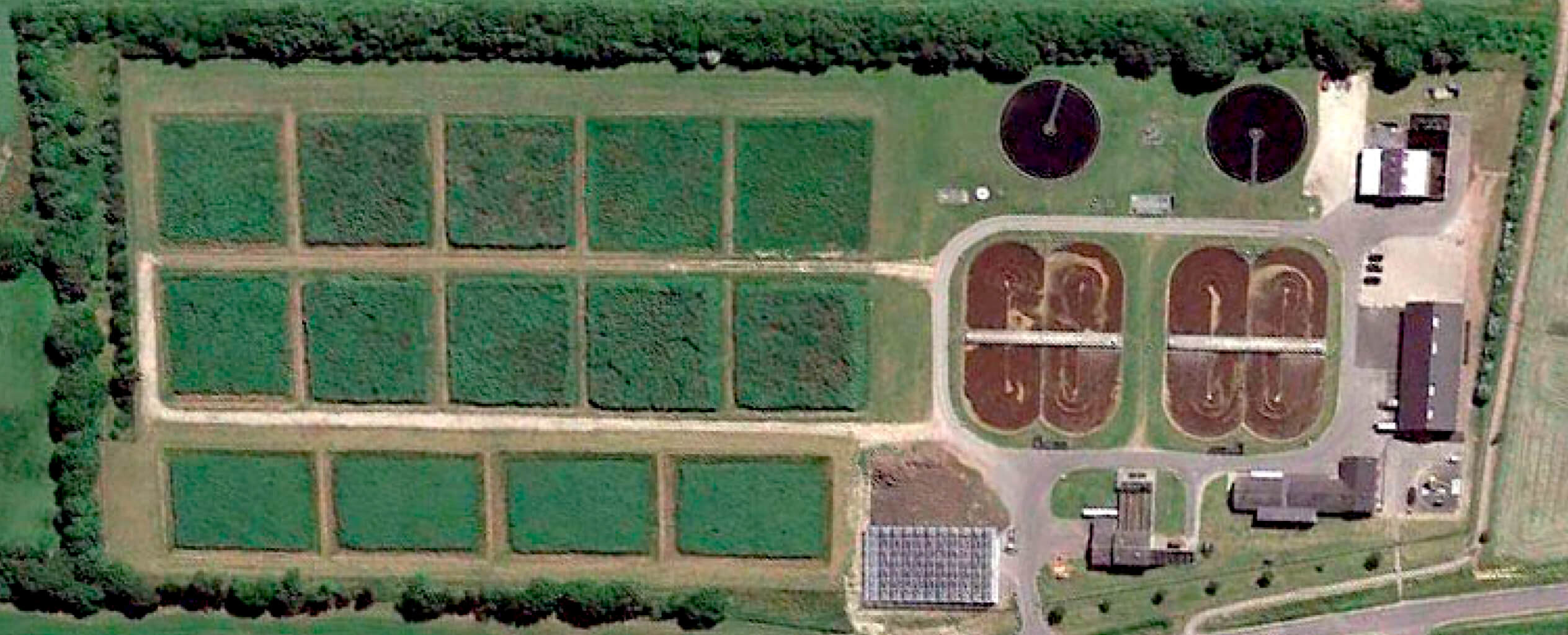
FERTIPAS aims to address the contamination of sludge from wastewater treatment plants with hazardous chemicals like PFAS and antibiotics. By leveraging Sludge Treatment Reed Beds (STRB) and integrating bio-technological innovations such as earthworms and bio-electrochemical systems, the project seeks to produce safe, high-value agricultural fertilizers. The project is a collaborative effort led by Aarhus University, with significant contributions from international partners.
The project seeks to produce safe, sludge-based, high-value agricultural fertilizers.
FERTIPAS envisions a future where wastewater sludge is transformed into safe, valuable fertilizers, contributing to a circular economy. By mitigating the presence of harmful contaminants, the project supports the United Nations Sustainable Development Goals, the European Union's Zero Pollution ambition, and Denmark's Green Transition.
In pursuit of this vision, FERTIPAS will undertake a series of targeted activities designed to advance our understanding and treatment of wastewater sludge. These efforts include:

1. Sampling and Analysis: Conducting field sampling and laboratory analysis to measure contaminants.

3. Machine Learning Integration: Developing and applying machine learning models to optimize STRB performance.

2. Mesocosm Studies:
Setting up and operating mesocosms to study biodegradation processes.

4. Dissemination:
Publishing research findings in high-impact journals and presenting at international conferences.
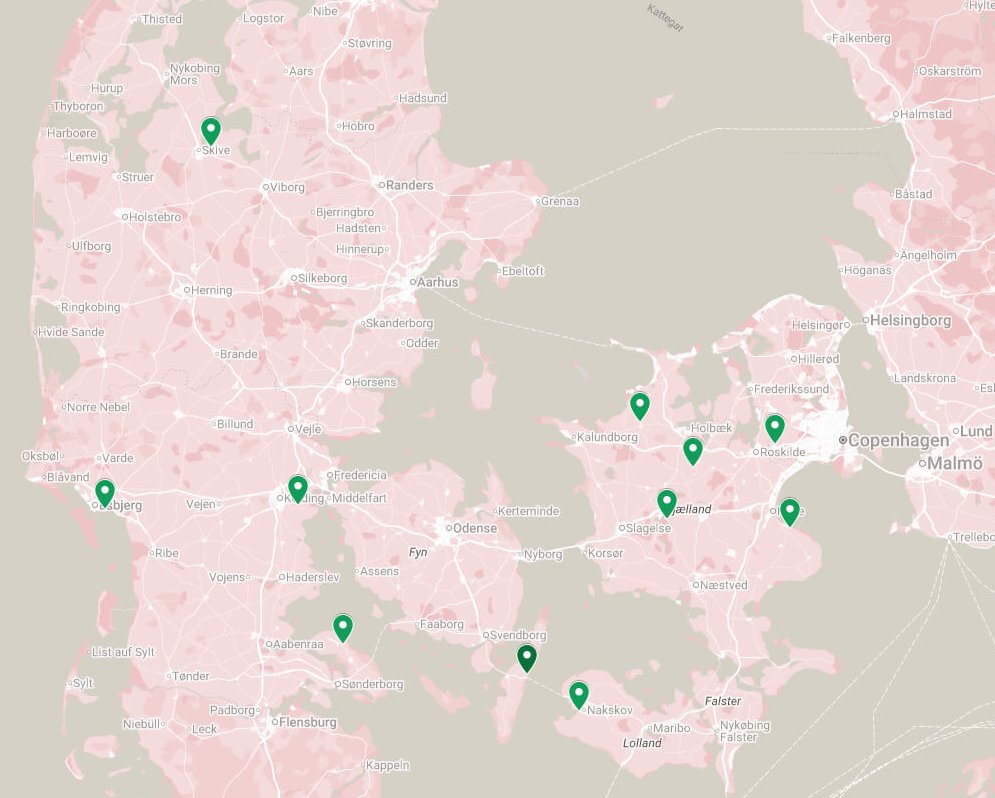
As part of the project, various STRB sites across Denmark will be collected and analyzed for the presence of contaminants. These sites cover different system ages, population sizes, and types of wastewaters (urban, peri-urban, industrial).
To the right is a map showing the locations of the STRB sites pre-selected for the project (click image to expand).