Brita Dahl Jensen, Berhanu Bekele Feyissa, Berhane Lakew Awoke, Tigist Shiferaw Tadesse, Sisay Kidane Alemu, Bulti Tesso Obsa, Gudeta Nepir Gurmu, Henrik Brinch-Pedersen (2026): Barley Genetic Resources and Breeding Strategies for Enhanced Food Security in Ethiopia: A REVIEW. Ethiopian Journal of Agricultural Science 36 (2): 20-44.
Food Barley Genetic Resources and Breeding Strategies for Enhanced Food Security in Ethiopia: A REVIEW
Food barley lines for DUS testing
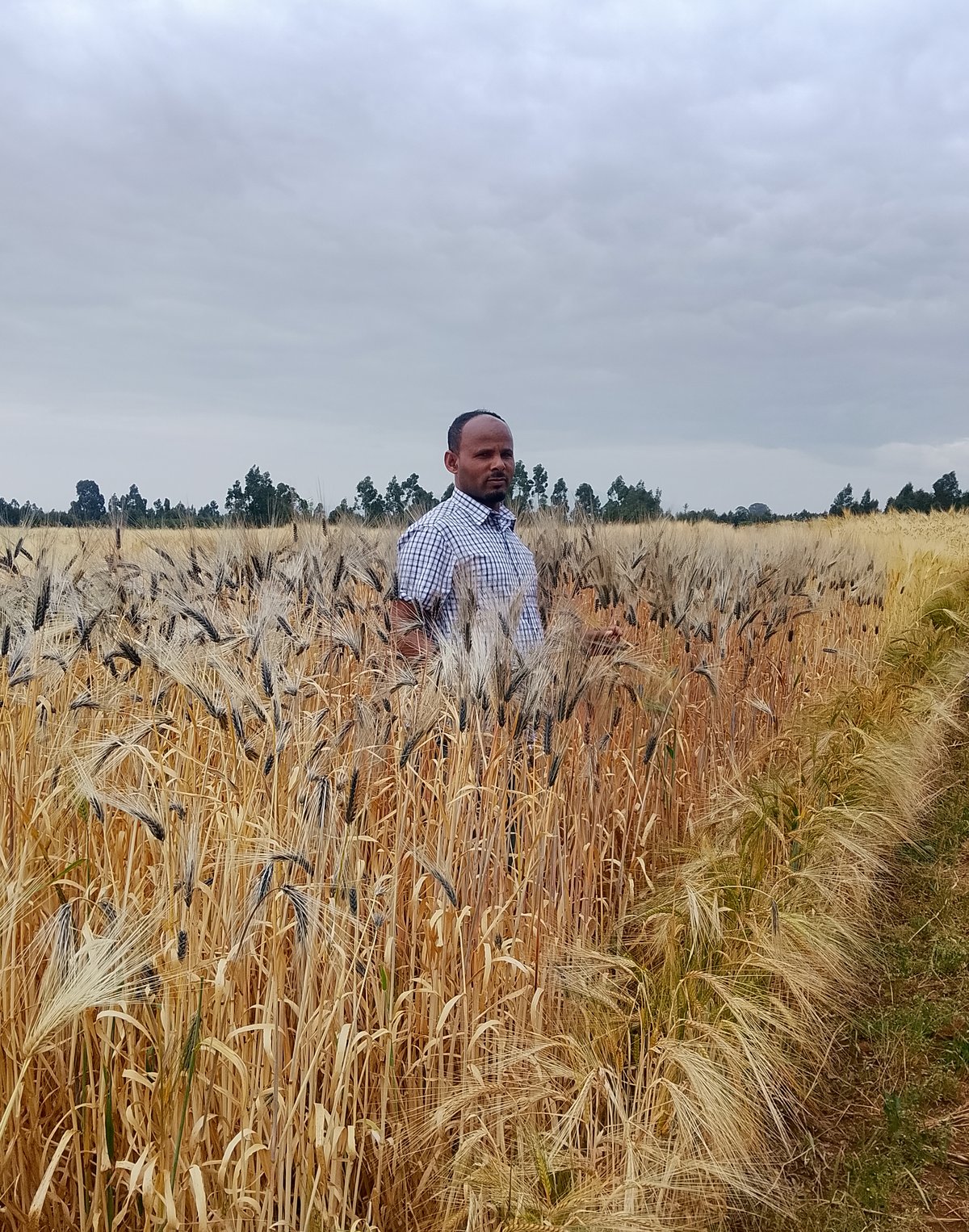
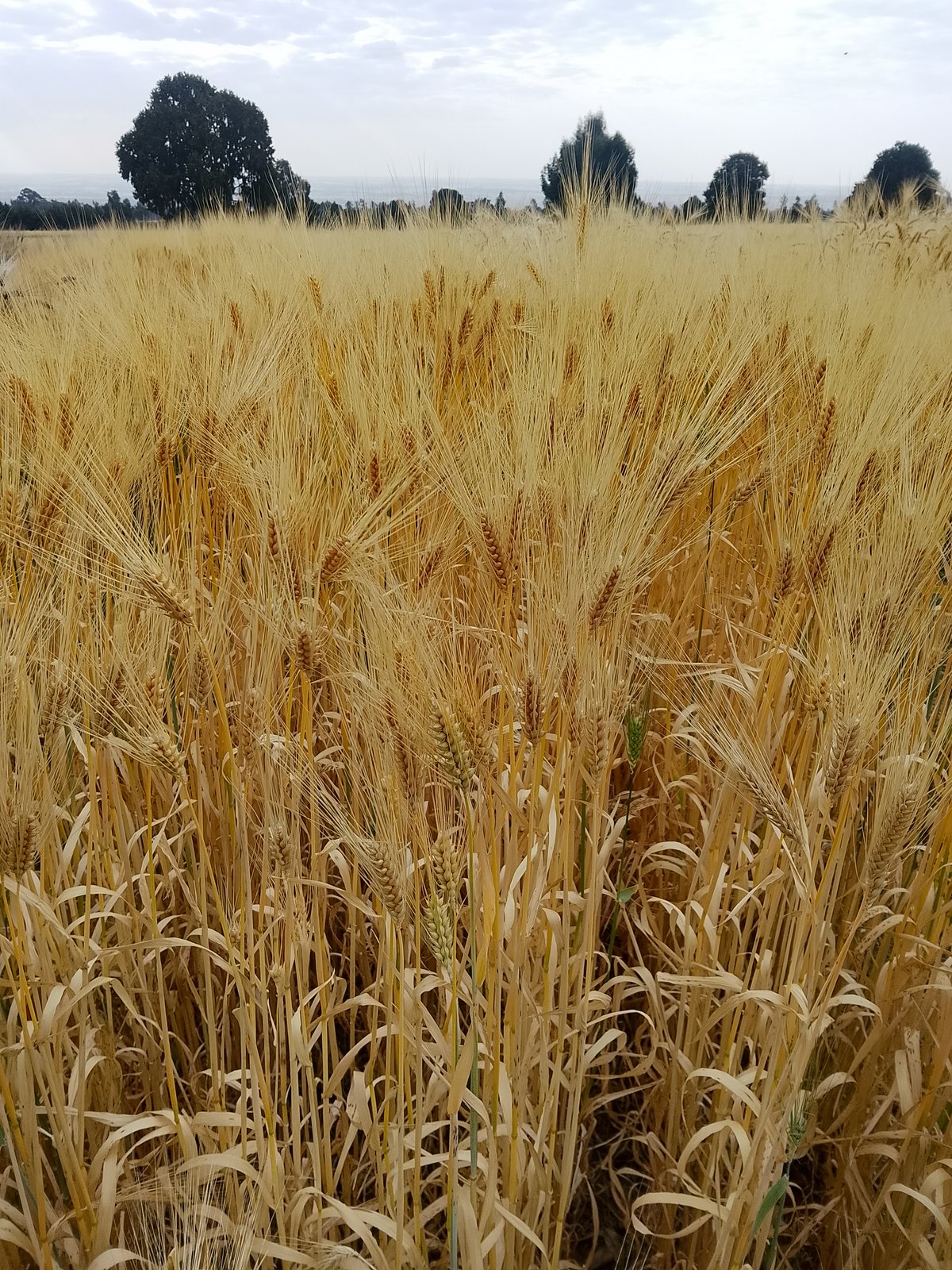
PhD students' research activities with barley landraces have led to the development of food barley lines with promising traits and yield potential. The Ethiopian Barley Team, composed of breeders and pathologists, evaluated PhD students’ field trials across multiple agro-ecological zones at Holetta (three sites), Bekoji (two sites), Kofale, Asassa and Dhera in 2025. From those extensive PhD students’ field trials, 9 lines were identified and selected as candidates for DUS testing. DUS testing means the lines will be tested for Distinctness, Uniformity and Stability, and a positive outcome is a requirement for the lines to be registered on the variety list in Ethiopia. Whether all selected lines will be taken forward for DUS testing will depend on the resources at the The Ethiopian Agricultural Authority (EAA), which is responsible for DUS testing leading to the variety release and registration process in Ethiopia. This is an important step to have the selected lines promoted to farmers.
The lines selected based on the project activities include:
Two high yielding hulled barley lines with resistance to leaf scald (caused by the fungus Rhynchosporium graminicola) and moderately resistant to other major barley diseases.