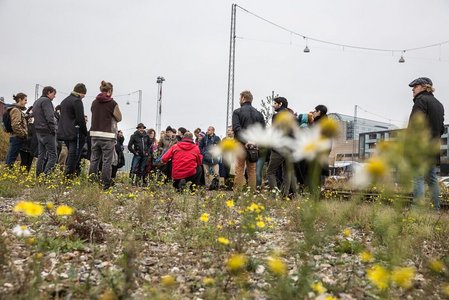
The theme Cultural Ecologies and Sustainability connects research on the natural, social, cultural and technological environment exploring interactions and various kinds of relations between humans and environmental realms. The concept of sustainability is to be understood broadly as focusing on long-lasting – economic, political/social, environmental – balances between humans and environments.
The theme encourages interdisciplinary projects and/or smaller projects with a direct focus on socio-cultural dynamics that movements, activists and agents, their practices, understandings and visions and their relationship to existing systems produce as well as a focus on the dynamics that eventual conflicts with other agents and stakeholders, challenges, dilemmas and potential conflicts of interest the relationship between development/modernity and sustainability represent.
Central research topics and approaches:
- The relation between a not fixe material system that is both natural and human, such as the relationship between the natural and the built environment
- The relation between material layers in landscapes and mental, imaginary and emotional layers of signification and experience
- The relation between biological systems (fauna, flora and human bodies) and urban landscapes.
- The relation between antropo-centrism and ego-centrism
- The relation between environmental and economic sustainability.
- The relationship between disagreeing actors as a socio-cultural dynamic factor in environmental issues
- European Capitals of Culture, their environmental impact in a comparative perspective
- The concept of sustainability and ecology in itself, their historical roots and their current applications across a wide array of disciplines (e.g. media ecologies, political ecologies, sustainable heritage)
Specific research projects could address issues and topics related to:
- Economic value making of cultural ecologies (ecotourism, political/critical tourism, poverty tourism, root-tourism)
- Environmental geography, sustainable cities, sustainable infrastructure
- Sustainable urban architecture
- Sustainable heritage
- Sustainable food, terroir, freegans, urban gardening, urban farming
- Recyclings, reuse-practices
- Sensing the environment and making environmental issues sensible (through sensors, data etc.)
- Health and sustainable bodies in schools and in child care institutions
- Art and science collaborations
- Utopia and dystopia in the public imaginary and in fiction