Work packages
WP1
WP1
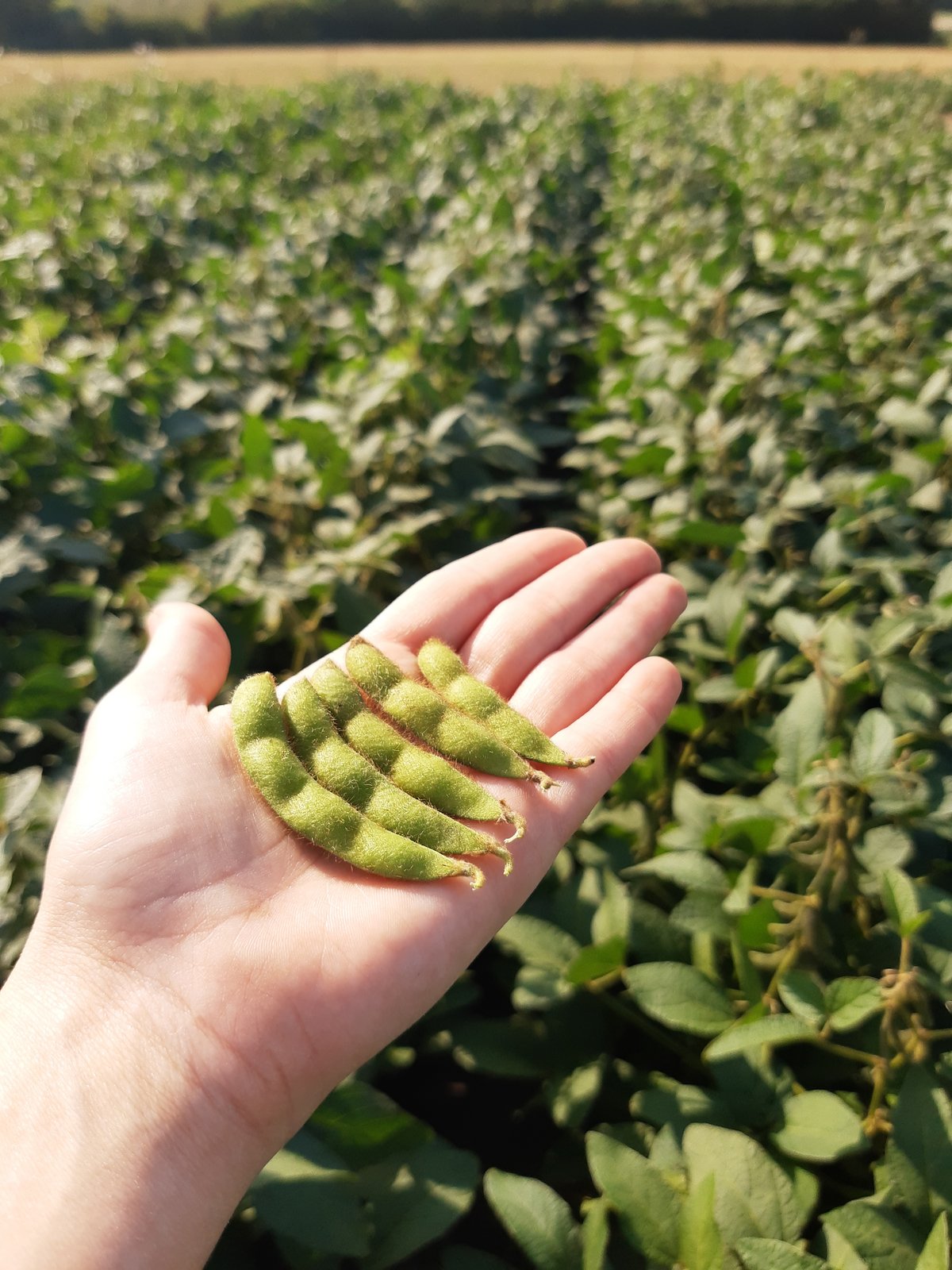
In WP1, we will optimize lupin and soybean cultivation for food purposes, selecting the best varieties and cultivation techniques suited to Northern European conditions. Drawing on insights from the GrainLegsGo project (OrganicRDD6) and seed companies, plot-scale field trials with a range of varieties will be conducted in 2025 and 2026 at AU Viborg. The selected lupin and soybean varieties will be chosen based on agronomic parameters and quality analyses relevant to human consumption (WP3 and WP4). Further optimization of these selected varieties will be tested in plot-scale field trials in 2026 and 2027, where crop management techniques (e.g., inoculation, fertilization, intercropping systems) will be refined to assess agronomic potential alongside climate and environmental impacts (WP5), with the goal of scaling up to farmer fields (WP2).

Juliana Trindade Martins
Postdoc
Aarhus University
Department of Agroecology
WP2
WP2
This WP tests the generalisability of cultivation techniques a varieties from WP1 to determine the effect of locatoin and soil type on yield and quality. Three varieties of lupin and soybeans will be grown at 4-5 locations to measure the effect of four optimised cultivation techniques.
WP lead:
Marian D. Thorsted (SEGES)
WP3
WP3
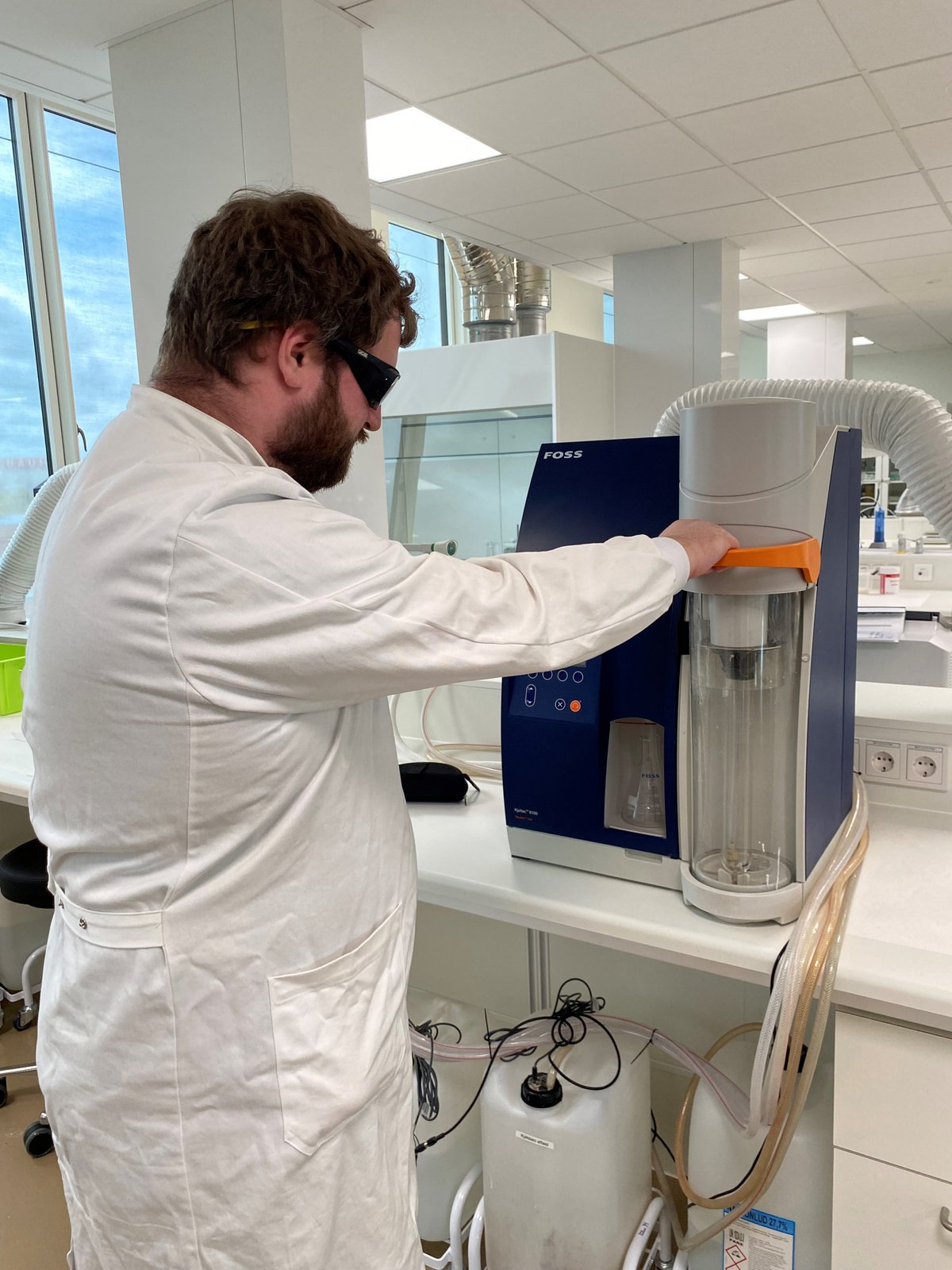
WP3 focuses on measuring the nutritional and antinutritional components in raw lupin and soybean grains from WP1 and WP2 to help identify the best varieties for food. We will measure protein and oil content using standard methods. The ratio between 7S and 11S storage proteins is important for processing, especially tofu production, so this will be measured using separation methods. Promising varieties will also be analyzed for their amino acid and protein composition. For lupin, we will use LC-MS/MS to measure 6 key alkaloids, and furthermore, quantify antinutrients like phytate and lectins in both lupin and soybeans. Finally, the quality of Danish lupin and soybean grains will be compared (benchmarked) against the raw materials currently used by the food producers involved in the project.
The work will be performed by Business Academy Aarhus, AU food, and Erhvervsakademi MidtVest.
WP4
WP4
WP4 looks at how well selected lupin and soybean varieties from WP1 and WP2 perform during processing. First, we will test how the raw materials behave when milled and air-classified to concentrate the protein. These protein-rich fractions will be checked for physical properties like water-holding capacity, foaming, and stability, and their nutritional content will be analyzed in WP3. Starting in 2027, extrusion tests will be carried out on a larger scale. Finally, the food producers in the project will try out real-life processing and replace imported lupin/soy with Danish produced lupin/soy.
The work will be performed by Business Academy Aarhus and Technological Institute.

WP5
WP5
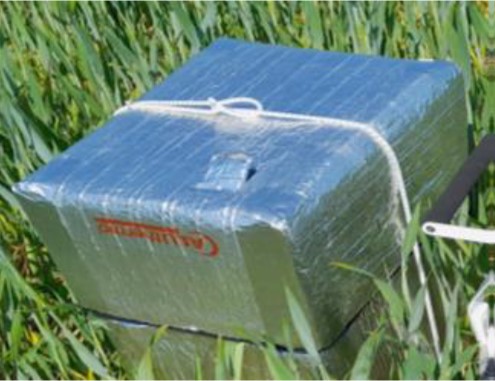
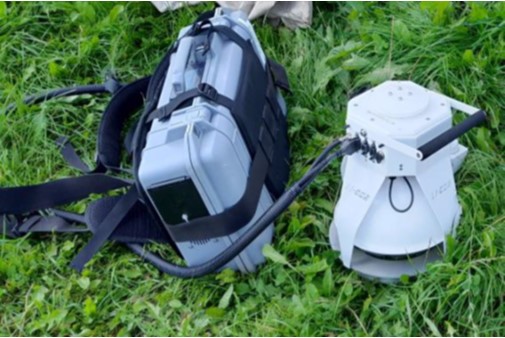
WP5 assesses the climate and environmental footprint of Danish vs. imported lupin and soybean for food production. It quantifies biological N fixation (¹⁵N isotopic dilution), N losses from living plants (split-root method), and soil C input (¹³CO₂ tracing). Two N₂O measurement campaigns will track emissions during the legume phase and residue incorporation. A Life Cycle Assessment (LCA) will calculate carbon footprints, integrating data from WP1-5 on cropping, raw material quality, processing, and nutrient cycling. Results will be benchmarked against current LCAs to identify emission hotspots.

WP6
WP6
Work package 6 aims to identify opportunities and barriers for adopting lupin and soy across the value chain. We use a multi-actor approach, meaning that we engage with farmers, food processors, retailers, and consumers to understand the whole food system around minor legume crops and how they can best be supported in the local Danish context. Part of this task includes taking inspiration from innovative models and enabling environment in other European countries who have established or re-established legume value chains for human consumption.

Martin Hvarregaard Thorsøe
Associate Professor
Aarhus University
Department of Agroecology

Tiffanie Faye Stone
Postdoc
Aarhus University
Department of Agroecology